Wonach suchen Sie?
Die Wahl des richtigen Hitzeschutzmaterials für Fahrzeuge ist nicht einfach eine Frage der höchsten Temperaturbeständigkeit. Im realen Fahrzeugeinsatz hängt das beste Material von Faktoren wie Hitzebelastung, Vibrationen, Korrosionsbeständigkeit, Bauraum, Gewichtsvorgaben, Formgebungsanforderungen und Kosten ab. Aluminium, Edelstahl und Inconel gehören zu den gängigsten Optionen und erfüllen jeweils unterschiedliche Anforderungen an den Hitzeschutz im Fahrzeug.
Bei BSTFLEX fertigen wir eine breite Palette von Hitzeschilde für Kraftfahrzeuge Für Abgasanlagen, Turboladerbereiche, Katalysatoren, Schalldämpfer, Unterbodenbereiche und Motorraumkomponenten. Unser Produktsortiment umfasst Hitzeschilde aus Aluminium und Edelstahl sowie Hochleistungslegierungen für extreme thermische Umgebungen.
Ein Hitzeschutzblech für Kraftfahrzeuge muss mehr leisten als nur Wärme zu reflektieren oder abzuschirmen. Es muss auch unter Einwirkung von Temperaturschwankungen, Vibrationen, Spritzwasser, Luftströmung, Oxidation und mechanischer Belastung funktionsfähig bleiben. Ein Material, das an einer Stelle gut funktioniert, kann an einer anderen Stelle ungeeignet sein. Beispielsweise eignet sich eine leichte, reflektierende Barriere gut für die Spritzwand, während in der Nähe eines Turboladers oder Abgaskrümmers eine hochfeste, formgepresste Barriere erforderlich sein kann.
Deshalb sollte die Materialauswahl auf den tatsächlichen Betriebsbedingungen und nicht nur auf Temperaturangaben basieren. Das richtige Hitzeschildmaterial trägt dazu bei, die Form zu erhalten, die Wärmestrahlung zu kontrollieren, umliegende Bauteile zu schützen und die Lebensdauer zu verlängern.
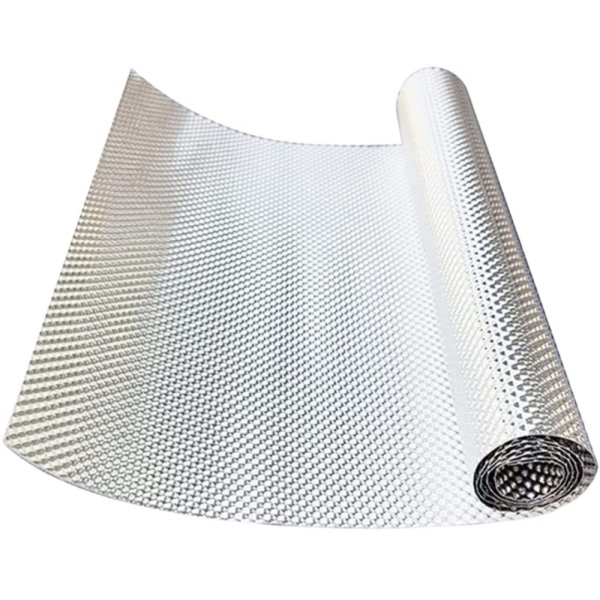
Aluminium-Hitzeschilde finden breite Anwendung, wenn geringes Gewicht, gute Reflexion und ein effizientes Wärmemanagement erforderlich sind. In Automobilsystemen werden Aluminium-Hitzeschilde häufig zur Ableitung von Strahlungswärme eingesetzt, insbesondere wenn die Konstruktion leichtere Bauweisen oder eine einfachere Formgebung in Bereichen mit moderaten Temperaturen erfordert.
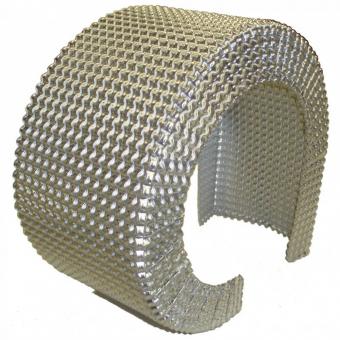
BSTFLEX bietet Lösungen auf Aluminiumbasis an, wie zum Beispiel Aluminium-Auspuff-Hitzeschutz-Kit Und Hitzeschutzblech aus Aluminium für den Auspuff Die
Aluminium ist oft eine gute Wahl, wenn es bei der Anwendung auf Gewichtsersparnis, Reflexionsvermögen und kostengünstiges Wärmemanagement ankommt. Es eignet sich besonders für Orte mit hoher Wärmebelastung, jedoch ohne extreme Dauereinwirkung.
Im Vergleich zu Edelstahl oder Nickellegierungen ist Aluminium im Allgemeinen weniger geeignet, wenn die Abschirmung stärkeren strukturellen Belastungen, langfristiger extremer Hitze oder sehr aggressiven Betriebsbedingungen in der Nähe des Abgassystems standhalten muss.
Hitzeschilde aus Edelstahl werden häufig gewählt, wenn die Konstruktion ein ausgewogenes Verhältnis von Temperaturbeständigkeit, struktureller Festigkeit, Korrosionsbeständigkeit und langfristiger Formstabilität erfordert. Im Bereich der Automobilabgasanlagen ist Edelstahl oft das praktischste Material für geformte und geprägte Hitzeschilde sowie für Bauteile, die Vibrationen und wiederholten Temperaturzyklen ausgesetzt sind.
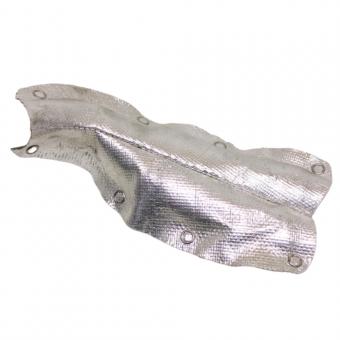
BSTFLEX bietet verschiedene Hitzeschildoptionen aus Edelstahl an, darunter Hitzeschild aus Edelstahl Und Wärmedämmplatte aus Edelstahl Die
Edelstahl ist oft die bevorzugte Wahl, wenn die Abschirmung formstabil bleiben, vibrationsbedingten Verformungen widerstehen und über eine lange Lebensdauer der Hitze von Fahrzeugabgasen standhalten muss. Er eignet sich besonders für Anwendungen, bei denen die Abschirmung selbst ein struktureller Bestandteil des Wärmedämmsystems ist.
Obwohl Edelstahl in vielen Abgasanwendungen sehr gut funktioniert, kann es in einigen extremen thermischen Zonen dennoch erforderlich sein, eine höherwertige Legierung zu verwenden, wenn die Anforderungen an Temperatur, korrosive Umgebung oder Haltbarkeit den praktischen Bereich von Standard-Edelstahlkonstruktionen überschreiten.
Hitzeschilde aus Inconel werden für extrem anspruchsvolle thermische Umgebungen eingesetzt, in denen herkömmliche Lösungen aus Aluminium oder Edelstahl langfristig nicht ausreichend Leistung bieten. Im Automobil- und Motorsportbereich findet Inconel häufig Anwendung in Turbolader-Hitzezonen, Abgasleitungen mit sehr hohen Temperaturen sowie in Bereichen, in denen Festigkeit, Oxidationsbeständigkeit und Betriebsstabilität unter extremen Temperaturen entscheidend sind.
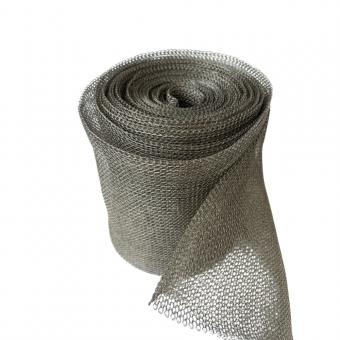
BSTFLEX bietet Hitzeschild aus Inconel-Legierung 625 für extreme Abgas- und Turboumgebungen.
Inconel ist im Allgemeinen das richtige Material für Anwendungen mit extremer Hitze, aggressiven Betriebsbedingungen oder Leistungsanforderungen, die über den üblichen Anwendungsbereich von Aluminium- und Edelstahl-Abschirmungen hinausgehen. Es wird häufig dann gewählt, wenn Zuverlässigkeit unter extremer thermischer Belastung wichtiger ist als die Materialkosten.
Inconel ist ein hochwertiger Werkstoff und in der Regel nicht für jede Hitzeschutzanwendung erforderlich. Für viele gängige Automobilprojekte bieten Edelstahl oder Aluminium ein praktikableres Verhältnis von Leistung und Kosten.
| Faktor | Aluminium | Edelstahl | Inconel |
|---|---|---|---|
| Gewicht | Niedrigster | Höher | Höher |
| Strukturelle Festigkeit | Mäßig | Stark | Sehr widerstandsfähig bei extremen Hitzeeinwirkungen |
| Eignung der Wärmezone | Mittel bis hoch, anwendungsabhängig | Hochwertig für viele Abgasanwendungen | Extreme Hitzeumgebungen |
| Korrosionsbeständigkeit | Gut | Stark | Hervorragend geeignet für extreme Umgebungen |
| Formgebung und Schildfertigung | Gut | Sehr gut | Anwendungsspezifisch |
| Typische Verwendung | Leichte reflektierende Barrieren | Abgasanlage und geformte Strukturschilde | Turbo- und extreme Abgashitzezonen |
| Kostenniveau | Untere | Mäßig | Höchste |
Das beste Hitzeschutzmaterial hängt von den jeweiligen Anwendungsdetails ab. In den meisten Projekten sollte das Material anhand der folgenden Faktoren ausgewählt werden:
Als allgemeine Richtlinie gilt: Aluminium wird häufig für leichten reflektierenden Schutz gewählt, Edelstahl für langlebige strukturelle Abgas-Hitzeschilde und Inconel für die extremsten thermischen Umgebungen.
BSTFLEX unterstützt die kundenspezifische Fertigung von Hitzeschilden für die Automobilindustrie anhand von Zeichnungen, Mustern oder Anforderungen an den Wärmeschutz. Je nach Projekt können die kundenspezifischen Lösungen geprägte Strukturen, geformte Metallbarrieren, mehrlagige Konstruktionen, isolierte Schilde und anwendungsspezifische Montagevorrichtungen umfassen.
Um das am besten geeignete Material empfehlen zu können, sind folgende Projektdetails besonders hilfreich: Aufstellungsort, Art der Wärmequelle, Temperaturbereich, verfügbarer Platz, Zielabmessungen, Montageart, erwartete Menge und ob ein Muster oder eine Zeichnung vorhanden ist.
Aluminium, Edelstahl und Inconel spielen alle eine wichtige Rolle bei der Konstruktion von Hitzeschutzblechen für Kraftfahrzeuge. Aluminium wird häufig für leichte, reflektierende Barrieren bevorzugt, Edelstahl ist in der Regel die praktischste Wahl für langlebige, formgepresste Abgas-Hitzeschutzbleche, und Inconel ist für die anspruchsvollsten Anwendungen mit extremen Temperaturen reserviert. Die richtige Wahl hängt von den tatsächlichen Einsatzbedingungen und nicht von einer einfachen Materialrangfolge ab.
Wenn Sie Materialien für Abgasanlagen, Turbolader, Katalysatoren, Spritzwände oder Unterbodenverkleidungen vergleichen, kann BSTFLEX Ihr Projekt mit kundenspezifischen Lösungen unterstützen. Lösungen für Hitzeschutz im Automobilbereich einschließlich Aluminium, Edelstahl und Hitzeschild aus Inconel-Legierung 625 Optionen.
Das beste Material hängt vom Anwendungsfall ab. Aluminium wird häufig für leichte, reflektierende Barrieren verwendet, Edelstahl für langlebige Hitzeschilde und Inconel für extreme Hitzebedingungen.
Bei vielen Abgasanwendungen wird Edelstahl bevorzugt, da er eine höhere strukturelle Belastbarkeit, eine bessere Beständigkeit gegen vibrationsbedingte Verformungen und eine zuverlässige Langzeitleistung in der Nähe heißer Abgaskomponenten bietet.
Inconel wird üblicherweise dann gewählt, wenn die Anwendung extreme Hitze, Turboladerzonen, starke Temperaturwechsel oder hohe Anforderungen an die Haltbarkeit beinhaltet, die über die typische Leistung von Hitzeschilden aus Aluminium oder Edelstahl hinausgehen.
Ja. Aluminium bleibt eine praktikable Option für viele Anwendungen im Bereich der Hitzeschutzschilde im Automobilbereich, insbesondere dort, wo ein geringes Gewicht und eine gute reflektierende Wärmeableitung wichtig sind.
Ja. Kundenspezifische Hitzeschilde können je nach Betriebstemperatur, strukturellen Anforderungen, Einbauraum und Projektanforderungen aus Aluminium, Edelstahl oder Hochleistungslegierungen gefertigt werden.

No.10, Chuangxin North Road, Nanshan Park, Ningguo Economic and Technological Development Zone, Ningguo City, Anhui Province, China
Tel/Whatsapp : 0086-15856303740
Email : sales@bstbraidedsleeve.com
Skype : vanesa-cheng