Wonach suchen Sie?
Auspuffdämmung Schalldämpferfüllung Dämmwolle ist ein wichtiges Innenmaterial von Abgas- und Schalldämpfersystemen, das Geräusche reduziert, den Luftstrom stabilisiert und die langfristige akustische Leistungsfähigkeit sicherstellt. Im Gegensatz zu äußeren Abgaskomponenten wirkt die Dämmwolle im Inneren des Systems und absorbiert direkt die Schallenergie, die von den heißen Abgasen erzeugt wird. Die Wahl des richtigen Dämmmaterials hat direkten Einfluss auf die Geräuschdämpfung, den Abgasgegendruck und die Lebensdauer.
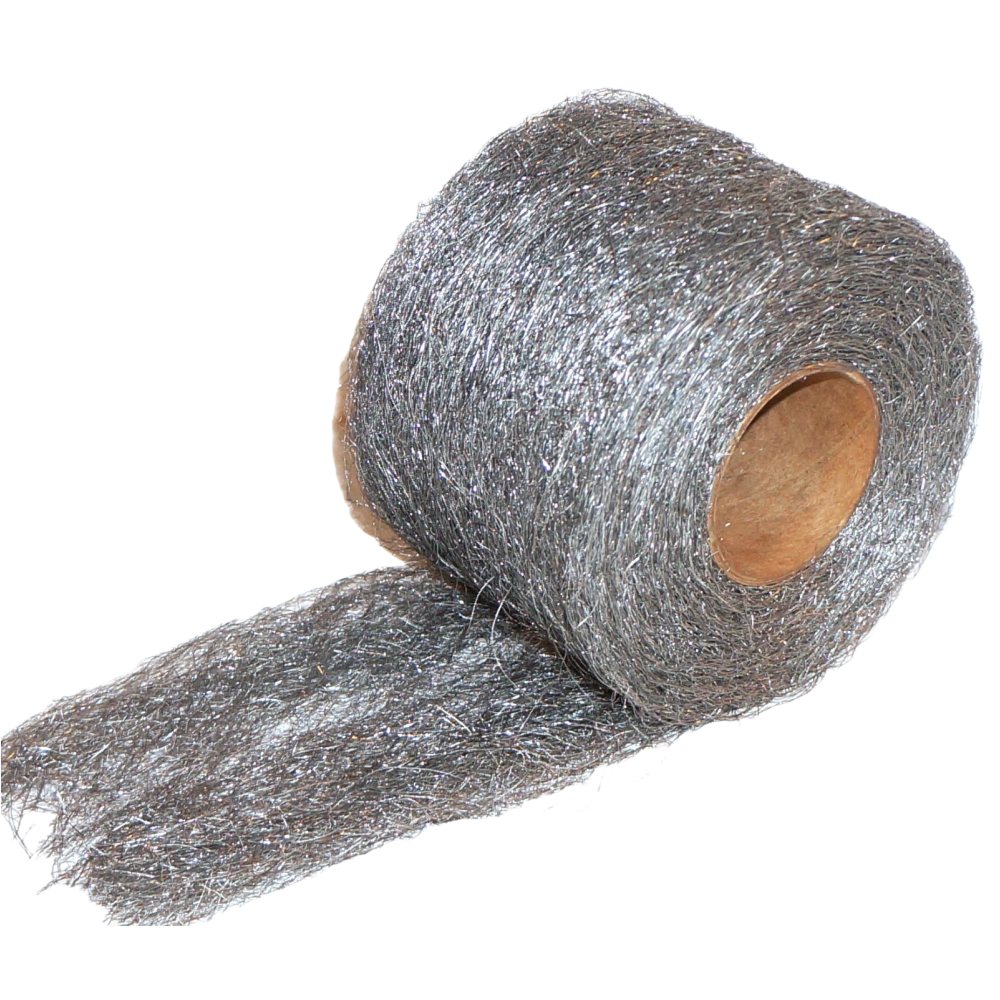
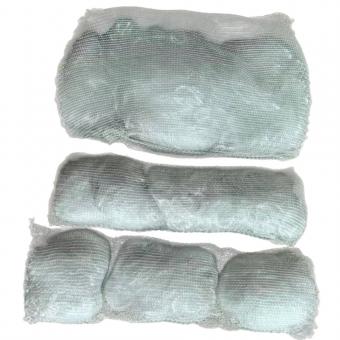
Die Dämmwolle für Auspuffanlagen ist ein hochtemperaturbeständiges, faseriges Isoliermaterial, das in Schalldämpfern und Schalldämpfern verbaut wird. Ihre Hauptaufgabe besteht darin, Schallwellen zu absorbieren und gleichzeitig der ständigen Hitze, Vibrationen und dem Abgasstrom standzuhalten.
Die Packung wird typischerweise um perforierte Kernrohre gewickelt oder zwischen inneren Kammern platziert, sodass Abgase durchströmen können, während die Schallenergie durch die Faserstruktur abgeführt wird.
Die Dämmwolle für Auspuffanlagen wird üblicherweise aus hochentwickelten, hitzebeständigen Fasern hergestellt, wie zum Beispiel:
E-Glas oder ECR-Glasfaser
Basaltfaser
Keramikfasermischungen
Hochtemperatur-Mineralfasern
Je nach Schalldämpferkonstruktion werden diese Fasern zu loser Füllmasse, Matten oder Decken verarbeitet.
Offene Fasermatrix zur Schallabsorption
Hoher Formerhalt bei Vibrationen
Geringe thermische Schrumpfung
Gleichmäßige Dichte für gleichbleibende akustische Leistung
Wenn Abgase durch den perforierten Kern strömen, dringen Schallwellen in das Dämmmaterial ein. Die Faserstruktur wandelt die Schallenergie durch Reibung in geringe Wärme um, wodurch der Abgasgeräuschpegel deutlich reduziert wird.
Hochwertige Auspuffdämmung Schalldämpferfüllung ist so konstruiert, dass sie:
Luftstromeffizienz aufrechterhalten
Übermäßigen Gegendruck vermeiden
Motorleistung und Kraftstoffeffizienz unterstützen
Minderwertige Bauteile können zusammenbrechen oder durchbrennen, was zu erhöhter Geräuschentwicklung und Leistungsverlust führt.
Personenkraftwagen
Sportwagen
Motorräder
Rennauspuffanlagen
Dieselgeneratoren
Luftkompressoren
Baumaschinen
Landwirtschaftliche Geräte
Schiffsmotoren
ATVs und UTVs
Schwerlast-Geländefahrzeuge
Hochwertige Verpackungsmaterialien erhalten die Faserintegrität auch nach längerer Einwirkung von Hitze und Vibrationen und gewährleisten so eine gleichbleibende Geräuschdämpfung.
Entwickelt, um kontinuierlichen Abgastemperaturen standzuhalten, die typischerweise im Bereich von 500 °C bis 800 °C , wobei kurzzeitige Spitzenwerte je nach Fasertyp sogar noch höher sein können.
Eine fachgerecht konstruierte Watte verhindert das Herausreißen der Fasern durch Abgase mit hoher Geschwindigkeit.
Durch den Schutz der internen Komponenten trägt die Auspuffdämmung dazu bei, die Gesamtlebensdauer des Schalldämpfers zu verlängern.

| Merkmale | Schalldämpferfüllung | Standardisolierung |
|---|---|---|
| Schallabsorption | Ausgezeichnet | Eingeschränkt |
| Gasdurchflusskompatibilität | Für Abgase konzipiert | Nicht geeignet |
| Temperaturbeständigkeit | Hoch | Mittel |
| Vibrationsbeständigkeit | Stark | Schwach |
| Anwendung | Innenschalldämpfer | Außenisolierung |
Wählen Sie das Dichtungsmaterial passend zum Motortyp und Abgastemperaturbereich
Eine höhere Dichte verbessert die Haltbarkeit, während eine gute Rückstellkraft für eine langfristige Schallabsorption sorgt.
Lose Füllung: Flexibel, leicht umzufüllen
Decke oder Matte: Gleichmäßige Dichte, OEM-freundlich
Hersteller bieten oft an:
Vorgeschnittene Schalldämpfersätze
Kundenspezifische Dichtespezifikationen
Optionen ohne oder mit geringem Bindemittelanteil
Verpackung optimiert für automatisierte Montage
Alte oder beschädigte Verpackung entfernen
Reinigen Sie den Auspuffinnenraum gründlich
Die Packung gleichmäßig um den perforierten Kern wickeln.
Vermeiden Sie eine Kompression über die empfohlene Dichte hinaus.
Vor dem Wiederzusammenbau sichern
Zu viel Packung führt zu eingeschränktem Luftstrom
Ungleichmäßige Verteilung verursacht Lärmleckagen
Verwendung von Niedertemperaturfasern in Hochtemperatursystemen
Die Auspuffdämmung ist ein Verschleißteil. Die Austauschintervalle hängen von folgenden Faktoren ab:
Motorbetriebsstunden
Abgastemperatur
Vibrationsintensität
Regelmäßige Inspektionen helfen, plötzliche Geräuschanstiege oder Auspuffausfälle zu verhindern.
Typischerweise 10.000–50.000 km bei Verwendung im Automobilbereich, abhängig vom Material und den Fahrbedingungen.
Eine sachgemäße Packung gewährleistet den Luftstrom und beeinträchtigt die Motorleistung nicht.
Minderwertige Materialien können schnell verschleißen; Hochtemperaturfasern sind hitzebeständig.
Keramikfasern vertragen höhere Temperaturen, sind aber möglicherweise weniger flexibel als Glasfasermischungen.
Ja, Dichte, Fasertyp und Format können für OEM-Anwendungen angepasst werden.
Automobil-, Industriemotoren, Generatoren, Motorräder und Schiffsabgasanlagen.

No.10, Chuangxin North Road, Nanshan Park, Ningguo Economic and Technological Development Zone, Ningguo City, Anhui Province, China
Tel/Whatsapp : 0086-15856303740
Email : sales@bstbraidedsleeve.com
Skype : vanesa-cheng