Wonach suchen Sie?
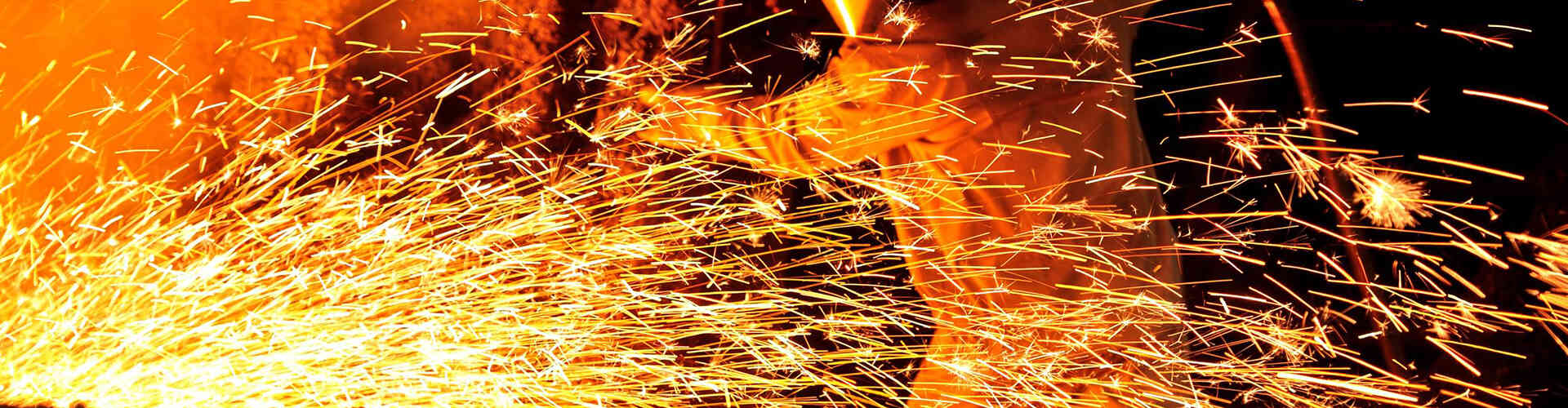
Edelstahlwolle-Schalldämpferfüllung kann als Rollenware geliefert oder zu einer Kernumwicklung für einen Abgasschalldämpfer geformt werden. Eine Kernumwicklung aus Edelstahlwolle bietet eine poröse Metallfaserschicht um das perforierte Rohr, während ein Rückhaltesieb eine offene Drahtstruktur zur Fixierung der Füllung bietet. Beide können kombiniert werden, sind jedoch nicht austauschbar.
Bei der Spezifikation von Edelstahlwolle-Schalldämpferfüllung, unterscheiden Sie das zu kaufende Material von der fertigen Baugruppe. Rollenware erfordert eine Vorbereitung auf die zugelassenen Abmessungen und Mengen; eine fertige Schalldämpfer-Kernhülse sollte dem Rohrdurchmesser, der Abdeckungslänge und der erforderlichen Schichtanordnung entsprechen.
Für einen Abgashersteller ist die nützliche Frage, wo Schutz oder Fixierung benötigt wird: neben dem perforierten Kern, um die Füllungsbaugruppe oder an beiden Stellen. Beginnen Sie mit dem Querschnitt des Schalldämpfers und dem Grund für das Hinzufügen der Komponente, anstatt einfach das Produkt auszuwählen, das als Edelstahl beschrieben wird.
BSTFLEX bietet eine Edelstahlwolle-Schalldämpfer-Kernhülse und ein separates Edelstahl-Abgassieb zur Schalldämpferfüllungs-Fixierung. Dieser Vergleich erklärt, wie man ihre unterschiedlichen Rollen spezifiziert, ohne eine davon als universellen Ersatz für die andere zu behandeln.
| Designfrage | Kernumwicklung aus Edelstahlwolle | Füllungs-Rückhaltesieb |
|---|---|---|
| Was bildet die Arbeitsschicht? | Eine dreidimensionale Metallfaserschicht, manchmal kombiniert mit Drahtgewebe oder -geflecht. | Ein offenes Drahtnetz, geliefert als Platte oder geformte Rückhaltekomponente. |
| Was ist das Hauptziel der Auswahl? | Bereitstellung einer kernseitigen Schicht, die helfen kann, die umgebende akustische Faser vor Gaserosion zu schützen. | Fixierung der Füllung und Unterstützung der beabsichtigten Baugruppenform und -platzierung. |
| Wo sollte die Zeichnung sie platzieren? | Um die Außenseite des perforierten Kerns, wie für den Schalldämpfer spezifiziert. | An der definierten Fixierungsschnittstelle; das BSTFLEX-Sieb ist dazu bestimmt, die Füllung zu umschließen. |
| Welche Abmessungen erfordern besondere Aufmerksamkeit? | Kernpassung, Abdeckungslänge, installierte Dicke und Naht oder Überlappung. | Fertige Abdeckung, Drahtkonstruktion, Öffnungsgeometrie, Kanten und Überlappung. |
| Ersetzt es die akustische Hauptfüllung? | Nicht automatisch. Eine Kernschutzkomponente ist keine vollständige Füllungsspezifikation. | Nein. Ein Füllungsrückhalter ersetzt nicht die Faser, die er fixieren soll. |
| Können beide vorhanden sein? | Ja, wenn das Design Kernschutz und separate Fixierung erfordert. | Ja, aber prüfen Sie, ob die gewählte Kernumwicklung bereits das erforderliche Stützgewebe bietet. |
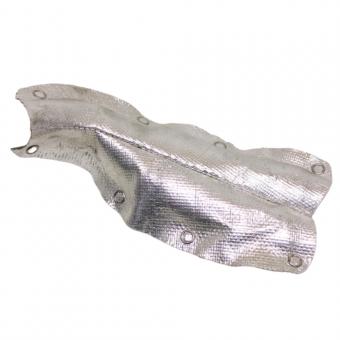
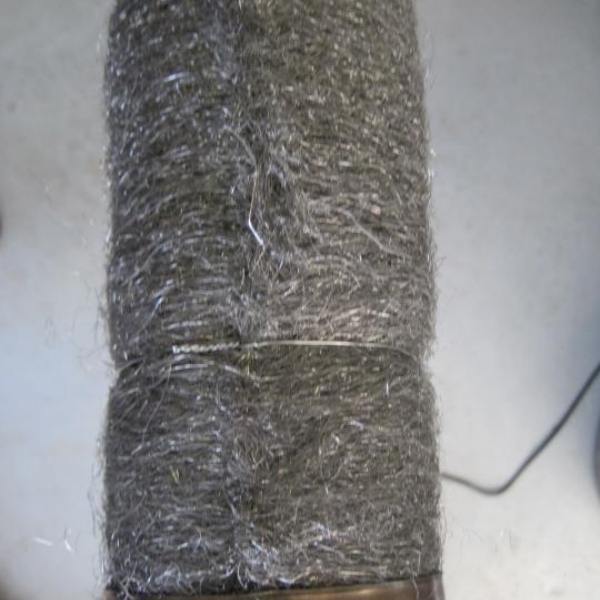
Die BSTFLEX-Kernhülse kombiniert Edelstahlwolle mit 304 Edelstahl-Drahtgewebe. Ihre Beschreibung bezieht sich daher auf eine Verbundkomponente, nicht einfach auf lose Wolle, die um ein Rohr gewickelt ist.
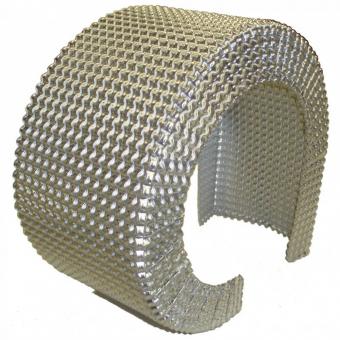
Das separate BSTFLEX-Rückhaltesieb wird als zweilagiges, verflochtenes Edelstahldrahtblech mit zwei gekrimpten Seiten beschrieben. Diese Drahtblechkonstruktion sollte nicht mit der Metallfaserschicht in der Kernhülse verwechselt werden.
Identifizieren Sie auf einer OEM-Zeichnung die vollständige Kernumwicklungsbaugruppe und zeigen Sie, welche Schichten in ihrer Teilenummer enthalten sind. Ein Hinweis wie nur „Edelstahlgewebe hinzufügen“ lässt Raum, entweder eine beabsichtigte Schicht wegzulassen oder sie doppelt zu kaufen.
Identifizieren Sie außerdem die Legierung jedes Bestandteils separat. Eine 304 Drahtgewebe-Spezifikation identifiziert für sich allein nicht die für die Wolle verwendete Legierung.
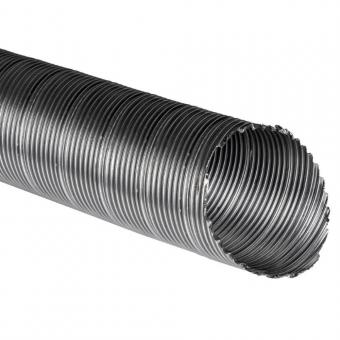
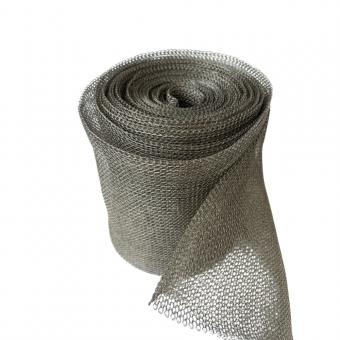
Für das interne Zuschneiden und Wickeln bietet BSTFLEX Edelstahlwolle-Schalldämpfer-Packungsrolle bietet eine Produktoption im Rollenformat. Geben Sie die erforderliche Breite, Materialmenge und Vorbereitungsmethode an, anstatt Rollen nur nach dem Außendurchmesser zu vergleichen.
Für wiederholte Montage, überprüfen Sie eine Edelstahlwolle-Schalldämpferkernhülse mit ihrem stützenden Drahtgewebe. Definieren Sie die fertige Passform, Wollmenge und installierte Dicke auf der Zeichnung. Der Kauf einer vorbereiteten Komponente ändert das Lieferformat; er beseitigt nicht die Notwendigkeit, die Legierung und die Montage zu genehmigen.
Bei der Bestellung von Edelstahlwolle-Auspuffpackung oder Edelstahldrahtwolle für die Schalldämpferproduktion, identifizieren Sie die Metallfaserspezifikation getrennt von jeder gewebten oder gestrickten Halteschicht. Eine Anfrage für Stahlwolle-Schalldämpferpackung sollte die erforderliche Edelstahllegierung angeben, anstatt die Materialgüte der Interpretation zu überlassen.
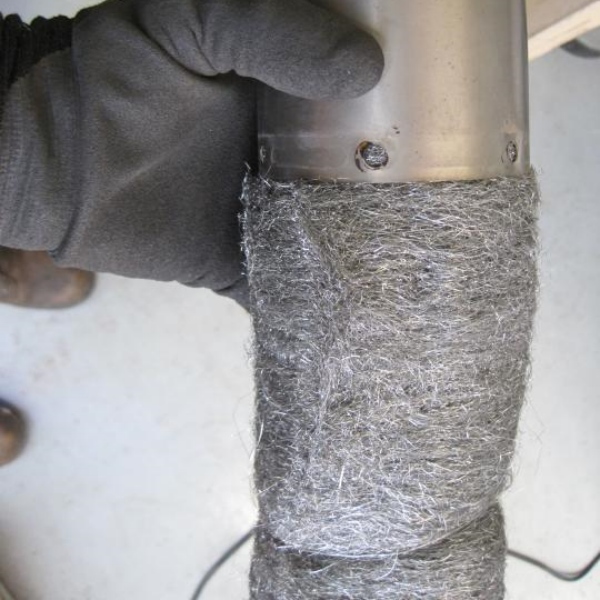
Wenn die Inspektion Schäden konzentriert an der dem Kern zugewandten Oberfläche zeigt, überprüfen Sie die vorhandene Innenschicht und deren Abdeckung. Edelstahlwolle-Rohre und -Wicklungen werden in Schalldämpferkonstruktionen verwendet, um die Gaserosion der umgebenden Glas- oder Basaltpackung zu reduzieren.
Für dieses Problem bewerten Sie eine Schalldämpferkernwicklung als Schutzschicht, anstatt anzunehmen, dass ein äußeres Haltesieb die gleiche Behandlung an den Perforationen bietet. Überprüfen Sie den Kernzustand, unbedeckte Bereiche, Verbindungen und Befestigungsanordnung, bevor Sie die Ursache allein der Faser zuschreiben.
Wenn die Schwierigkeit darin besteht, die Packung beim Einsetzen in das Gehäuse zusammenzuhalten, überprüfen Sie ein Schalldämpferpackungssieb oder eine andere zugelassene Eindämmungsmethode. Die ersten Fragen sind, ob der Halter den vorgesehenen Bereich abdeckt und ob seine Kanten ohne Hängenbleiben durch die Montage geführt werden können.
Überprüfen Sie den Einsetzweg, das Gehäusespiel und den Endverschluss an einem Muster. Von einer kernseitigen Wollschicht sollte nicht erwartet werden, dass sie ein unabhängiges Handhabungsproblem an der Außenseite der Packung löst.
Überprüfen Sie die Lage der Öffnung, die Überlappung des Halters und die Endanordnung. Das Hinzufügen von mehr Wolle um die Mitte des Kerns ist keine nachgewiesene Lösung für eine Lücke an anderer Stelle in der Montage.
Diese Inspektionsmuster sind Ausgangspunkte, keine Diagnose. Beziehen Sie Materialzustand, Betriebshistorie und Fotos in die Überprüfung ein. Weder ein Sieb noch eine Kernwicklung sollten verwendet werden, um die Beibehaltung einer Fasergüte zu rechtfertigen, die nicht für die Betriebsbedingungen zugelassen wurde.
Ein Design kann eine Schicht auf Wollbasis um das perforierte Rohr und eine separate Netzeinfassung um die akustische Packung verwenden. In dieser Anordnung adressiert die innere Komponente die kernseitige Exposition, während die äußere Komponente die Eindämmung unterstützt. Metallwolle kann auch mit ihrem eigenen stützenden Netz geliefert werden.
Das Hinzufügen beider ist daher eine Designentscheidung, kein Standard-Upgrade. Überprüfen Sie die Stückliste, bevor Sie ein zusätzliches Sieb bestellen. Fragen Sie, ob es eine separate Aufgabe erfüllt, eine vorhandene Schicht dupliziert oder die fertigen Montageabmessungen ändert.
Verwenden Sie für Ersatzarbeiten die zugelassene Schalldämpferkonstruktion als Ausgangspunkt. Bewerten Sie bei einem überarbeiteten OEM-Design die vorgeschlagene Kombination im kompletten Schalldämpfer, bevor Sie sie für die wiederholte Produktion freigeben.
Für die Wollschicht, fordern Sie die Legierung, Fasergüte oder den Querschnitt, die Materialmasse, die Abdeckung und die installierte Dicke an. Geben Sie an, wie die Dicke gemessen wird, da eine entspannte Wollschicht und eine installierte komprimierte Schicht unterschiedliche Zustände sind.
Für das Sieb, fordern Sie die Legierung, den Drahtdurchmesser, die Konstruktion, die Öffnungsabmessungen, die Schichtanzahl und die Kantenbearbeitung an. Vereinbaren Sie gegebenenfalls, wie die offene Fläche definiert und gemessen wird. Der Drahtdurchmesser allein beschreibt nicht die Öffnungen, und "zweischichtig" allein spezifiziert nicht, wie diese Schichten angeordnet sind.
Ersetzen Sie gewebtes Tuch, gestricktes Netz und andere verflochtene Drahtkonstruktionen nicht nur deshalb, weil ihre gesamten Blattabmessungen übereinstimmen. Zeichnen Sie die Konstruktion oder eine zugelassene Musterreferenz in der Kaufspezifikation auf.
Geben Sie für die thermische Auswahl kontinuierliche und Spitzentemperaturen mit dem Messort und der Expositionsdauer an. Bitten Sie darum, die vorgeschlagene Legierung und Komponente anhand dieser Bedingungen zu überprüfen, anstatt jedem Edelstahlprodukt ein Temperaturlimit zuzuweisen. Unser Edelstahlwolle-Schalldämpferpackungsleitfaden diskutiert die umfassenderen Überlegungen zur Materialauswahl.
Berücksichtigen Sie die installierte Kernwicklung, bevor Sie die Abmessungen der umgebenden Packung festlegen. Für einen kreisförmigen Kern mit einer gleichmäßigen Schicht:
Außendurchmesser nach dem Wickeln = Kernaußendurchmesser + 2 × installierte Wicklungsdicke.
Nur als Geometriebeispiel: Ein 50 mm Kern mit einer 2 mm installierten Schicht hat einen nominalen Wickeldurchmesser von 54 mm, nicht 52 mm. Diese Zahlen veranschaulichen die Berechnung; sie sind keine empfohlene Packungsspezifikation.
Verwenden Sie die gewickelte Hülle bei der Überprüfung des für die nächste Schicht zugewiesenen Raums. Beziehen Sie lokale Überlappungen, Stützgewebe, Befestigungselemente und jegliche äußere Halterung in die tatsächliche Passformprüfung ein. Arbeiten Sie bei ovalen oder unregelmäßigen Baugruppen nach der Zeichnung, anstatt das kreisförmige Beispiel anzuwenden.
Wenn sich das verfügbare Faservolumen ändert, überprüfen Sie die genehmigte Füllmenge. Das Hinzufügen von Metall bei gleichzeitigem Einpressen der ursprünglichen Faserladung in einen kleineren Raum verändert die durchschnittliche installierte Faserdichte. Gehen Sie nicht davon aus, dass die vorherige Packungsspezifikation ohne Überprüfung weiterhin gültig ist.
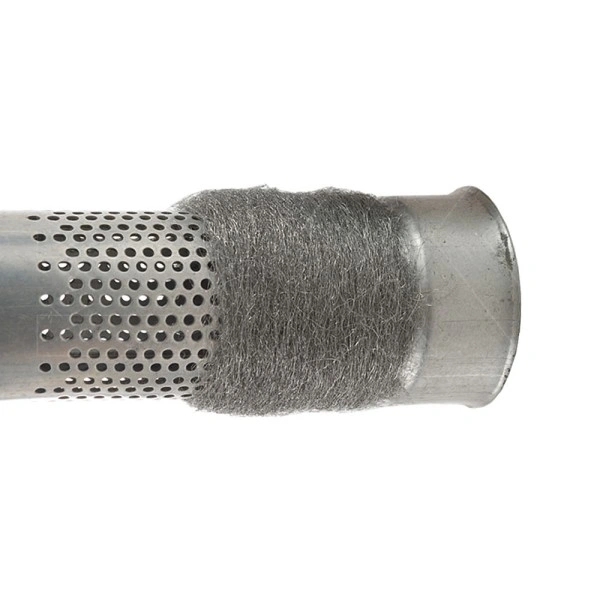
Verwenden Sie eine Probemontage, um Abdeckung, Nähte, Kantenposition, Befestigungselemente und Verschluss zu überprüfen. Untersuchen Sie den Kern und das Gehäuse auf Grate oder andere Merkmale, die die Komponenten beschädigen könnten. Halten Sie den vorgesehenen Kerndurchgang sowie die Einlass- und Auslassgeometrie frei.
Bewerten Sie dann den montierten Schalldämpfer unter den vereinbarten Betriebsbedingungen. Protokollieren Sie die Packungsverteilung und den Zustand der Komponenten nach dem Versuch und vergleichen Sie den Klang mit einer konsistenten Messmethode. Beziehen Sie Druckverlust- oder Gegendruckprüfungen ein, wo die Konstruktionsprüfung dies erfordert.
Eine Rückhaltekomponente sollte nicht allein deshalb als „akustisch neutral“ akzeptiert werden, weil sie passt. Auch die Verwendung von Edelstahl garantiert keine bestimmte Geräuschreduzierung oder ein Vielfaches der Packungslebensdauer. Genehmigen Sie diese Ergebnisse anhand von Nachweisen aus der tatsächlichen Baugruppe.
| Informationen zur Angebotsanfrage (RFQ) | Was zu definieren ist |
|---|---|
| Erforderliche Funktion | Kernseitiger Schutz, Packungsumhüllung, Montageunterstützung oder eine Kombination daraus. |
| Zeichnung und Abmessungen | Kern-Außendurchmesser, perforierte Länge, Innenabmessungen des Gehäuses, Schichtpositionen und verfügbare Abstände. |
| Materialidentifikation | Separate Legierungsanforderungen für Wolle, Drahtgewebe, Sieb und Befestigungselemente; bestehende Spezifikationen oder Musterreferenzen. |
| Komponentenaufbau | Wollmasse und installierte Dicke, Siebdraht- und Öffnungsgeometrie, Überlappung, Kantendetails und Befestigungsmethode. |
| Umgebende akustische Packung | Faserspezifikation, genehmigte Füllmenge und der für diese Faser zugewiesene Raum. |
| Service und Validierung | Temperaturinformationen, Arbeitszyklus, bekannte Fehlerbeobachtungen und Anforderungen an die Musterabnahme. |
| Lieferanforderung | Prototypenmenge, wiederkehrender Bedarf, Lieferung als Fertigkomponente oder als Platte, Kennzeichnung und Verpackung. |
BSTFLEX unterstützt die zeichnungs- und musterbasierte Entwicklung durch seinen Fertigungsservice für OEM-Schalldämpferpackungen. Geben Sie an, ob es sich bei dem Projekt um einen 1:1-Ersatz oder eine vorgeschlagene Konstruktionsänderung handelt, damit die Musterprüfung ein definiertes Ziel hat.
Beide Beschreibungen können sich auf dasselbe Metallfasermaterial beziehen, aber keine definiert die Legierung, den Faseraufbau oder die gelieferte Form. Bestätigen Sie, ob das Angebot lose Wolle, Rollenmaterial oder eine fertige Kernwicklung umfasst. Ein Rückhaltesieb ist eine andere Drahtstruktur, selbst wenn es zusammen mit der Wolle als eine Baugruppe geliefert wird.
Nein. Eine Kernwicklung auf Wollbasis enthält eine Metallfaserschicht; Auspuffgewebe beschreibt eine Drahtstruktur. Einige fertige Kernwicklungen kombinieren beides. Vergleichen Sie die Komponentenzeichnung und die Materialliste anstatt nur die Namen.
Nein. Das hier beschriebene Sieb ist ein Packungshalter. Behalten Sie die spezifizierte akustische Füllung bei, es sei denn, ein anderes vollständiges Schalldämpferdesign wurde entwickelt und validiert.
Es gibt keine universelle Schichtkombination. Verwenden Sie beide nur dort, wo sie definierte Funktionen in der genehmigten Baugruppe erfüllen. Prüfen Sie, ob bereits ein Gewebe in der Kernhülse enthalten ist, bevor Sie eine weitere Komponente hinzufügen.
Keiner der Produktnamen garantiert ein Klangergebnis. Die Beibehaltung der Packung in ihrer vorgesehenen Position ist etwas anderes als der Nachweis einer bestimmten Geräuschreduzierung. Bewerten Sie den kompletten Schalldämpfer mit dem vorgeschlagenen Material und der Schichtanordnung.
Für eine Komponente aus Wolle und Drahtgewebe um den perforierten Kern, überprüfen Sie die BSTFLEX Stahlwolle-Schalldämpferkernhülse. Für eine separate Drahtummantelung um die Füllung, sehen Sie sich das BSTFLEX Edelstahl-Auspuffgitter an.
Für ein kundenspezifisches Edelstahlwolle-Schalldämpferfüllung-Projekt senden Sie bitte den Querschnitt, den Kerndurchmesser, die abgedeckte Länge, die benötigte Wollmenge und das Auftragsvolumen. Geben Sie an, ob Sie Rollenmaterial, eine fertige Hülse oder ein separates Haltegitter benötigen. Weitere Faser- und Komponentenoptionen sind im Schalldämpferfüllung-Produktsortiment verfügbar.
Angebot für eine Kernumwicklung oder ein Schalldämpferfüllgitter anfordern

No.10, Chuangxin North Road, Nanshan Park, Ningguo Economic and Technological Development Zone, Ningguo City, Anhui Province, China
Tel/Whatsapp : 0086-15856303740
Email : sales@bstbraidedsleeve.com
Skype : vanesa-cheng